Over the fall of 2017, our Collaborative heard much about Nuestros Pequeños Hermanos, (NPH), as we had visitors from NPH Guatemala. Many families hosted our NPH friends, and even more families signed up to sponsor children. This year, the St. John-St. Paul Collaborative has selected NPH Mexico for our 2018 Lenten gift.
On September 19, a devastating 7.1-magnitude earthquake struck Central Mexico. The earthquake struck very close to NPH’s homes and schools in Miacatlán. Thankfully, none of children, volunteers or staff were harmed, but estimates of the damage to their facilities were significant.
Specifically, we will be contributing towards the rebuilding of the boys and girls dormitories. We hope to help NPH Mexico restore its facilities so they can continue their mission of transforming young people’s lives.
The Story of Nuestros Pequeños Hermanos
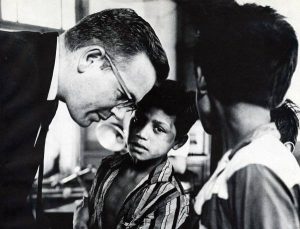 In 1954, more than six decades ago, in Cuernavaca, Mexico a young and hungry boy stole money from a church collection box in order to purchase food. He was arrested and due to receive a harsh sentence for his crime. However, the newly ordained priest of the church, Father William B. Wasson, asked the court to show mercy. He requested custody of the boy so that he could provide for the boy’s needs, and the judge accepted. Throughout that year, Father Wasson received 32 more boys, and Nuestros Pequeños Hermanos was born.
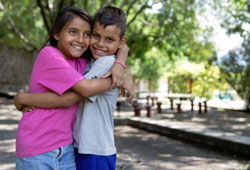
Since then, NPH has been transforming the lives of thousands of orphaned, abandoned and disadvantaged children. One of the unique features of NPH is that when they accept one child into the home, they take all siblings so that the sense of family continues. It is not considered an orphanage; it is more like a large family. NPH provides a safe home and a loving forever family that offers security, vital nutrition, comprehensive healthcare, an education, and vocational training to break the intergenerational cycle of poverty. Currently, there are over 3,200 children in nine NPH homes in Latin American countries.
For more information, please visit our Lenten Gift page.

 This is the weekend to share in the extraordinary ministry of
 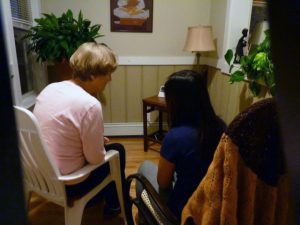 The current staff of The Bakhita House includes five religious sisters from three different religious orders, who work in pairs to be able to staff the house 24-7. The staff coordinates a team of over 30 volunteers from a variety of religious congregations as well as lay volunteers, who are critical to the mission of The Bakhita House. Volunteers provide a range of services to guests, including transportation, on-site life skills and social skills training, and tutoring. Volunteers also help engage in advocacy efforts and in fundraising. Volunteers receive training and are encouraged to be non-judgmental in their interactions with guests, providing an additional layer of care, support, and community at Bakhita House. If you might be interested in helping as a volunteer or advocate, please visit the website for more details and contact information:
  It starts with providing comfortable private rooms and convenient accommodations. The community has protocols and rules that focus on safety and confidentiality, all in a warm and caring environment. The community emphasizes and validates the guests’ strengths, adaptations and resilience. BH has adopted an empowerment model that enables guests to experience a renewed sense of control in their lives. Working with a case manager, each guest creates her own goals.
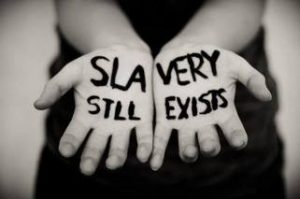 Human trafficking, the modern day practice of slavery, can be described most simply as “activities involved when one person obtains or holds another person in compelled service”. The term trafficking in persons can be misleading because the emphasis is on the transaction aspect, but the crime is enslavement and exploitation of people, day after day for months or even years. Traffickers use force, fraud, or coercion to control other people for the purpose of engaging in commercial sex or forcing them to provide labor services against their will. All trafficking victims share one essential experience – the loss of freedom.
 Bakhita House is named after St. Josephine Margaret Bakhita who was born in 1869 in the Darfur region of the Sudan. In 1877, when she was eight years old, she was kidnapped by Arab slave traders and spent the next 12 years enslaved. Eventually she was brought to Italy – and her freedom – through the help of the Canossian Daughters of Charity. She took her final vows in 1896 and for the next 42 years dedicated her life to sharing her testament of deliverance from slavery and comforting the poor and suffering. She died on February 8, 1947.
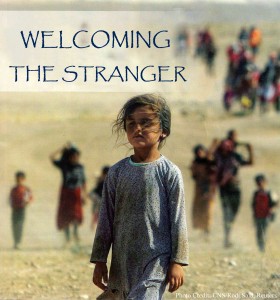 A belated, though heartfelt thanks to Parishioners for contributing $17,789 to Catholic Charities Refugee Relief Services, St. John’s Lenten Gift. As you may be aware, refugee relief continues to be a pressing problem worldwide. Catholic Charities Boston welcomes volunteers to help with airport arrivals, apartment set ups and donation drives (for things like toiletries and household goods). If you are interested in getting involved, please contact the